
 Image: DEVI
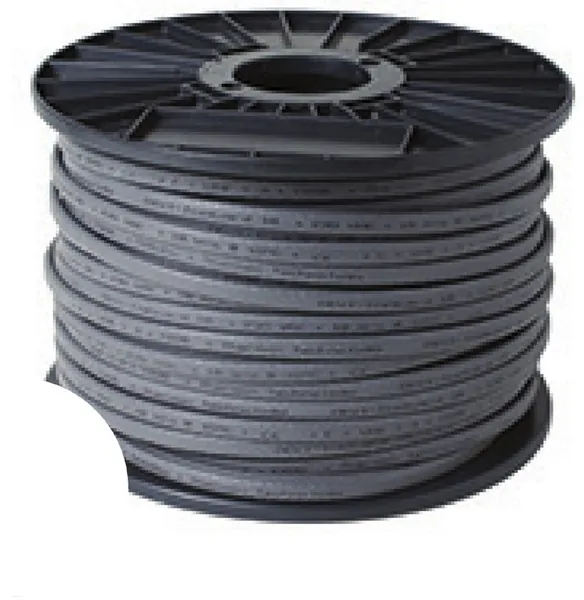
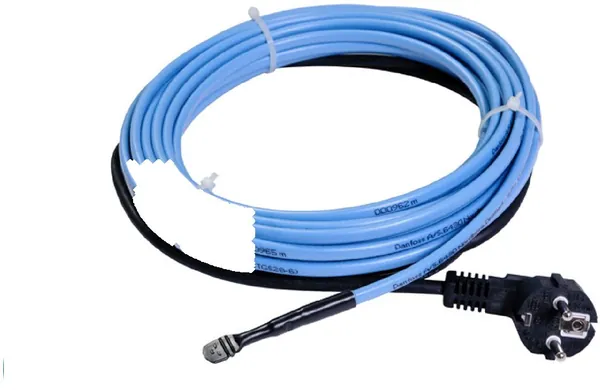
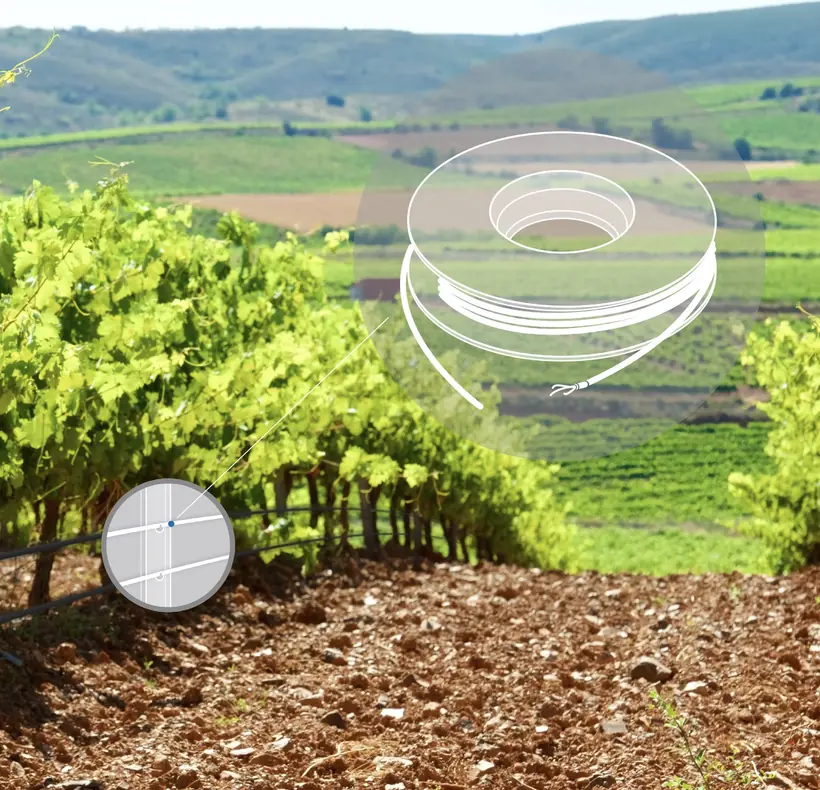
Controlled, localised heat that protects crops, seedlings and livestock from frost and cold stress. Heating cables are embedded in soil, concrete or growing beds and run automatically from a thermostat with a soil or floor sensor, holding each zone at the temperature it needs, from just above freezing to 25 °C and more.
Benefits and advantages
- Protects yield and stock from frost and cold stress
- Faster, more even germination and shorter production cycles
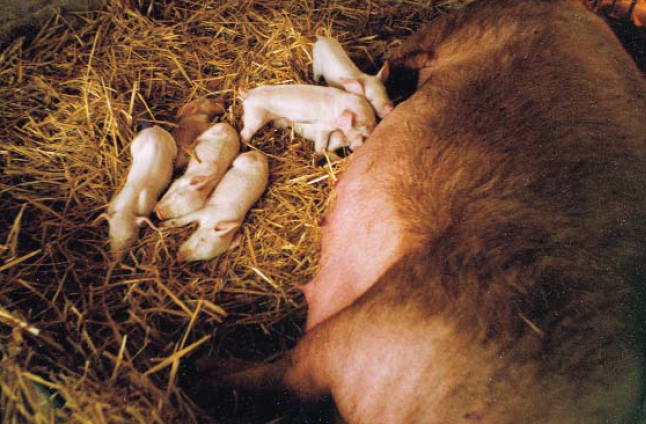
- Lower piglet and chick mortality with a warm, stable floor
- Automatic thermostat control means less labour on cold nights
- No open flame or combustion gases, and hygienic: the cable is embedded out of sight
- Predictable running costs through zoning and automation, with minimal maintenance
System design starting points
- Livestock floors: about 200 W/m² for chickens and piglets under 20 kg, 150 W/m² for pigs 20–50 kg, 100 W/m² for pigs over 50 kg
- In stables, DEVIflex cable of 17–20 W/m is embedded in the floor
- Seed beds: 75–100 W/m², with cable output no more than 20 W/m so roots don't dry out
- Lay the cable on low-absorption insulation covered with 0.2 mm PE film
- Root zone typically 15–25 °C; cutting and seed beds up to 30 °C
- Soil sensor with a DEVIreg 330 or DEVIreg Multi thermostat
Typical uses
Greenhouse and seed-bed soil heatingPiggeries and farrowing pensPoultry shedsMilking parloursOrchards and young trees
Reference: DEVI agricultural heating solutions (devi.com, 2026)