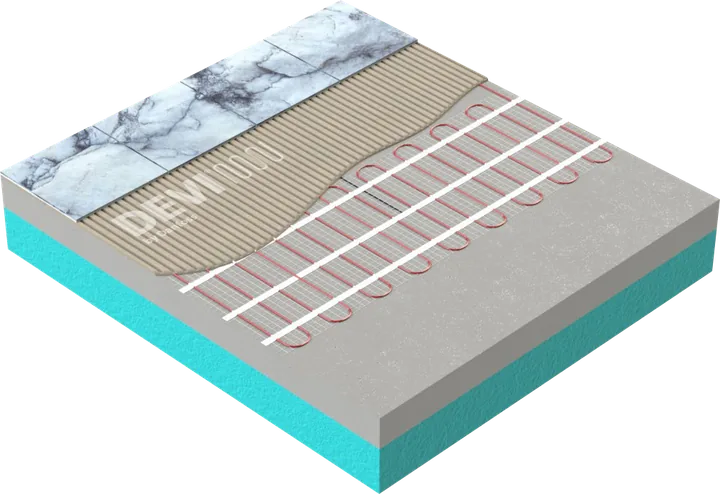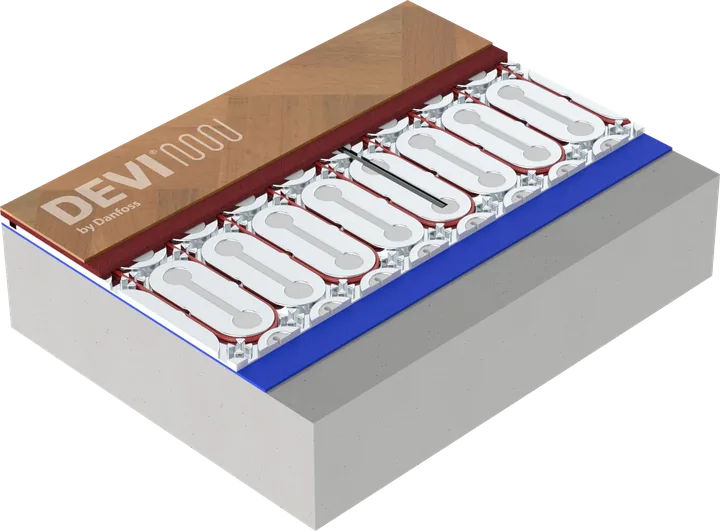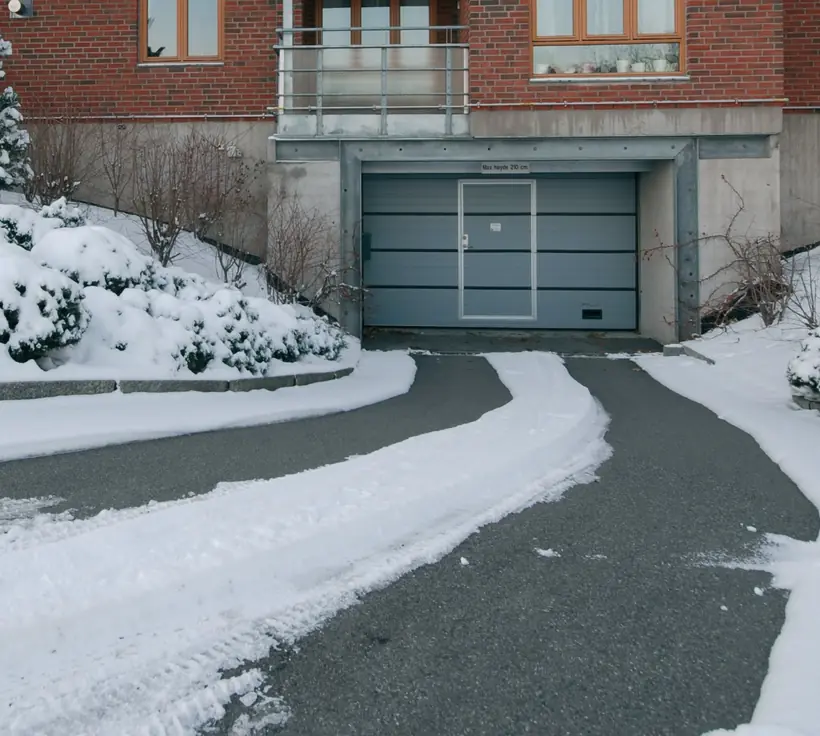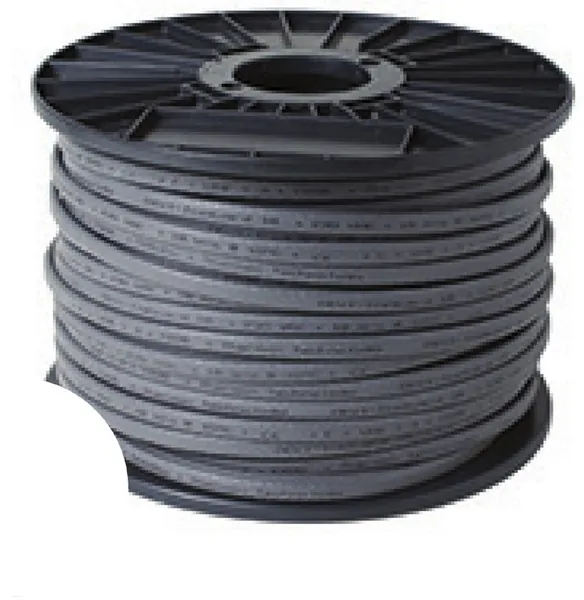

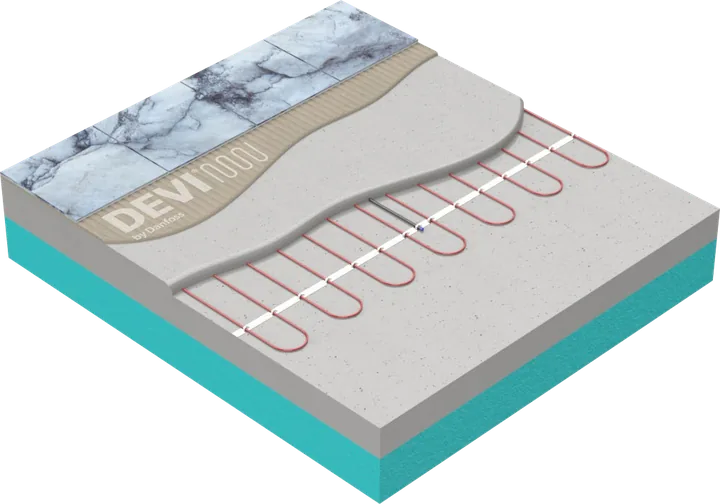
 Illustration: DEVI
Heating cable laid in a sand-cement screed or concrete topping. The mass stores heat and releases it slowly and evenly, which suits whole-home heating, open-plan spaces and polished concrete. Cable fits any room shape because you set the spacing.
Benefits and advantages
- Even, whole-floor warmth that can serve as the main heating in well-insulated homes
- Thermal mass can store heat, suiting off-peak or time-of-use tariffs
- Fits irregular rooms: output is set by cable spacing
- Works under tiles, stone, carpet, vinyl and timber with the right output
- 20-year Full-service warranty on DEVIflex and DEVIbasic cables
System design starting points
- Cable in concrete or screed at least 3 cm thick above the cable, on an insulation layer
- Linear output 10, 18 or 20 W/m; maximum 200 W/m² under tiles
- Spacing sets the output. DEVIflex 18T: 10 cm = 180 W/m², 12.5 cm = 144 W/m², 15 cm = 120 W/m², 20 cm = 90 W/m²
- Fix with DEVIfast strips or DEVIclip c-c at the design spacing
- Lower outputs under carpet, vinyl and timber (for example DEVIflex 10T or DEVImat 100T)
Typical uses
Whole-home primary heatingOpen-plan living areasPolished concrete floors
Reference: DEVI Floor construction and suitable heating cables or mats (user guide, section 3 and C-C distance tables); Heat Zone 2026 catalogue p. 5, 17–20
Projects: Hütt 01, Coburg · St Peter's Catholic Church · Fairfield home